Mindful Matters Blog
Reflections on Growth, Connection, and Healing

November 24, 2025
One of the hardest parts of growing up is learning how to be okay with being alone. For young people, that fear of aloneness often shows up in surprising ways—like anxiety about going to a party where no one might talk to them, or resistance to doing homework without help. Even surrounded by people, they can still feel the ache of being “apart.” Psychotherapist Nick Luxmoore (2014) wrote about this in his piece Learning to Be Together Alone, reminding us that aloneness is something we all face, and it deeply affects the quality of our relationships. How Early Experiences Shape Our View of Aloneness From the time we are babies, we start figuring out what it means to be separate from our caregivers. If we’re never left alone, we may grow up fearing solitude. If we’re left alone too often, we may become overly self-reliant and afraid to depend on anyone. Many of us fall somewhere in between—longing for connection, but also craving independence. As Luxmoore explains, young people often send parents mixed signals: “I want you close, but I also want you to back off.” It’s part of discovering how much separation they can tolerate. And truthfully, this isn’t just a teenage struggle—most adults feel it too. Aloneness in Therapy (and in Life) Counseling mirrors this balance. Just as parents learn when to step in and when to let go, therapists must judge when to support a client and when to allow space. Sometimes that space looks like silence in the therapy room—a silence that can feel unbearable if someone is terrified of being alone, or deeply healing if it allows them to feel “together” even without words. The idea of being “together alone” is powerful. It means you can sit with another person, feel connected, and still practice the skill of being your own person. At the end of a session—or at the end of a day—you may be physically alone, but you carry with you the memory of connection. What This Means for Us as Moms and Women In our culture, independence is celebrated. We’re told we should be able to handle things on our own, without needing anyone. But the truth is that every single one of us feels alone at times. What matters isn’t avoiding that feeling—it’s learning that nothing bad will happen when we sit with it. For moms especially, this can hit close to home. We often swing between wanting closeness (with our kids, our partners, our friends) and desperately needing space. The key isn’t to eliminate aloneness—it’s to practice being okay with both closeness and separation, sometimes even at the very same time. Being alone doesn’t mean being lonely. With the right balance of connection and space, we can learn to carry both—and teach our kids to do the same.

November 24, 2025
When you think of a therapist, you probably picture someone who has it all together—calm, centered, always ready with wise words. But here’s the truth: counselors are human too. And just like everyone else, we need support for our own mental health. Surprisingly, many counseling programs don’t actually require students training to be therapists to seek counseling themselves. Yet studies show that those who do go to therapy—whether by choice or requirement—report lower stress, less anxiety, and a stronger sense of support . Why This Matters (Even If You’re Not a Counselor) I work with many women who feel like they always need to be the strong one—holding it together for their kids, their partners, their jobs. But when we’re constantly giving, without a safe space to process our own struggles, it catches up with us. The research on counseling students actually tells us something universal: Talking helps. Even when people start therapy reluctantly, studies show they still benefit. Support lowers stress. Having a place where you can be honest without judgment reduces anxiety and improves well-being. Growth requires reflection. When counselors go to therapy, it not only helps them personally, but it also makes them more effective at helping others. The same is true for moms, leaders, or anyone juggling responsibilities. A Gentle Reminder for Moms So often, moms tell me: “I should be able to handle this on my own.” But if future therapists—the very people trained to support mental health—benefit from counseling, what makes us think we shouldn’t? Getting help doesn’t mean you’re weak. It means you’re human. And just like the counselors in those studies, you may find that the simple act of giving yourself space to process and heal allows you to show up with more patience, clarity, and energy for the people you love. Whether you’re training to be a counselor or navigating the daily chaos of motherhood, therapy can be a gift to yourself—and everyone around you.
November 24, 2025
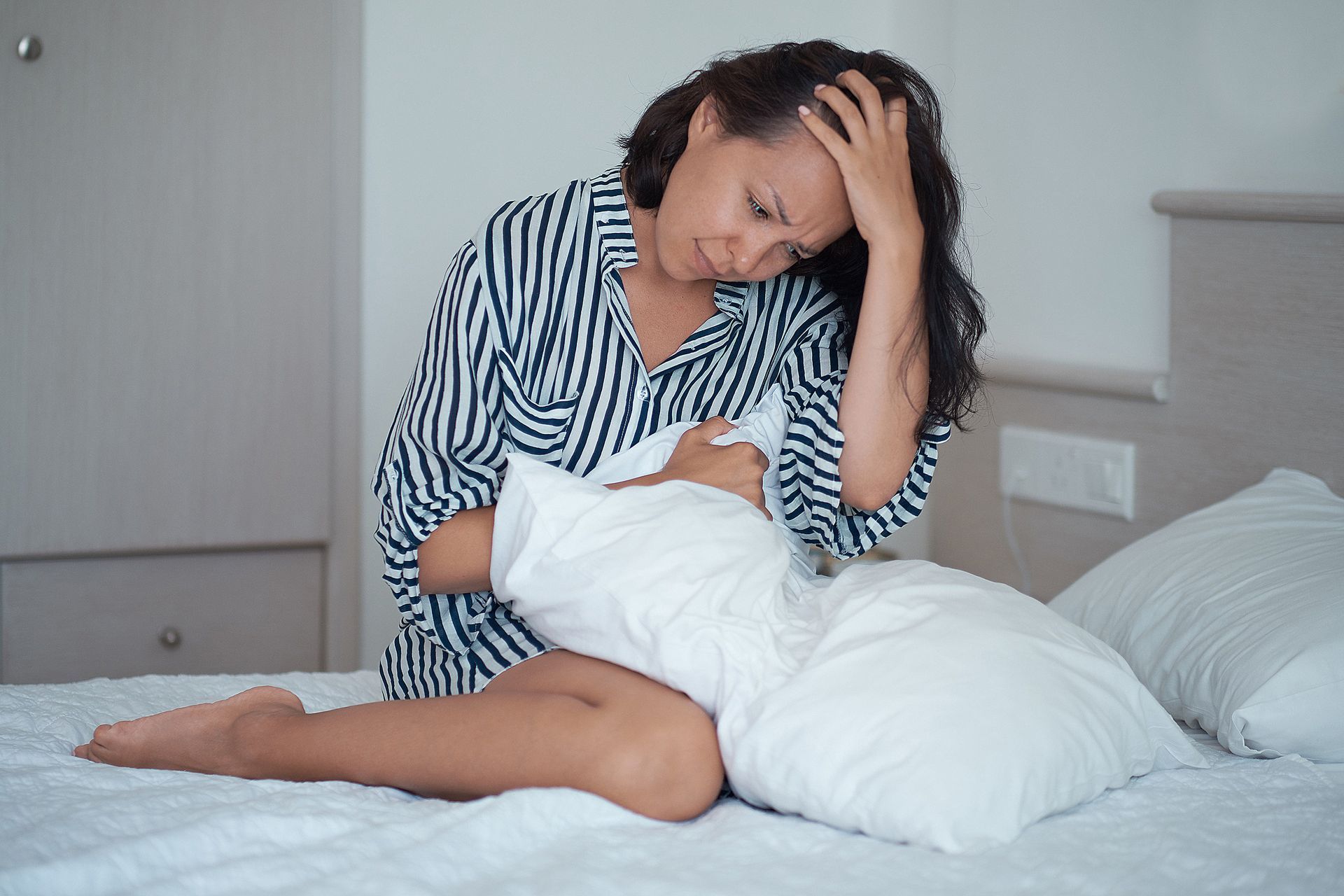
The loss of a child is one of the most devastating experiences a parent can face. Whether it comes suddenly through an accident or illness, or after a long battle with disease, nothing prepares a parent—or a family—for this kind of heartbreak. It shatters the natural order of life. Research tells us that this grief is different from any other kind of loss. There is no neat “acceptance” or tidy resolution. Instead, parents learn to live with the loss, carrying both love and grief side by side. How Families Are Affected When a child dies, the entire family system changes. Parents may experience anxiety, depression, guilt, or even physical health challenges. Some couples grow closer, while others feel distance or strain. Siblings grieve deeply too. They not only lose a brother or sister but often feel they’ve lost their parents to grief. Extended family —grandparents, aunts, uncles—also feel the ripple effects. The grief doesn’t go away with time. Studies show parents think about their child’s death several times a day, even years later. Death After Illness vs. Sudden Loss Grief looks different depending on how the loss happens: Illness: Parents sometimes begin grieving even before death, a process known as anticipatory grief. This can help with adjustment later, though it never makes the pain easy. Supportive doctors, strong social networks, and spiritual meaning-making can help families cope. Sudden loss: Whether from an accident, suicide, or sudden illness, unexpected death can leave parents in shock, with little chance to prepare or say goodbye. These losses are often the most complicated, bringing layers of trauma and guilt. The Couple’s Relationship The death of a child touches the marriage in profound ways. Some parents instinctively turn to each other for comfort, but grief often looks different for each partner. When one parent cannot give comfort while grieving themselves, feelings of distance and disconnection can grow. And yet, when couples are able to lean on one another, the bond can deepen. Shared grief can become a thread of resilience that carries them forward. How Counselors Can Help Crisis intervention is often needed to help parents and families navigate early grief. Helpful support includes: Compassionate communication —offering presence without judgment. Safe expression of emotions —allowing guilt, anger, sadness, even relief, to be voiced. Space to search for meaning —whether through spirituality, storytelling, or finding purpose in honoring the child’s memory. Grief here doesn’t follow a “normal” sequence. There’s no timeline, no checklist. The most healing work comes not from “moving on,” but from finding ways to live with love and grief intertwined. The loss of a child changes everything. Healing doesn’t mean forgetting—it means finding ways to carry the love forward, while slowly allowing life to grow around the grief.
November 24, 2025
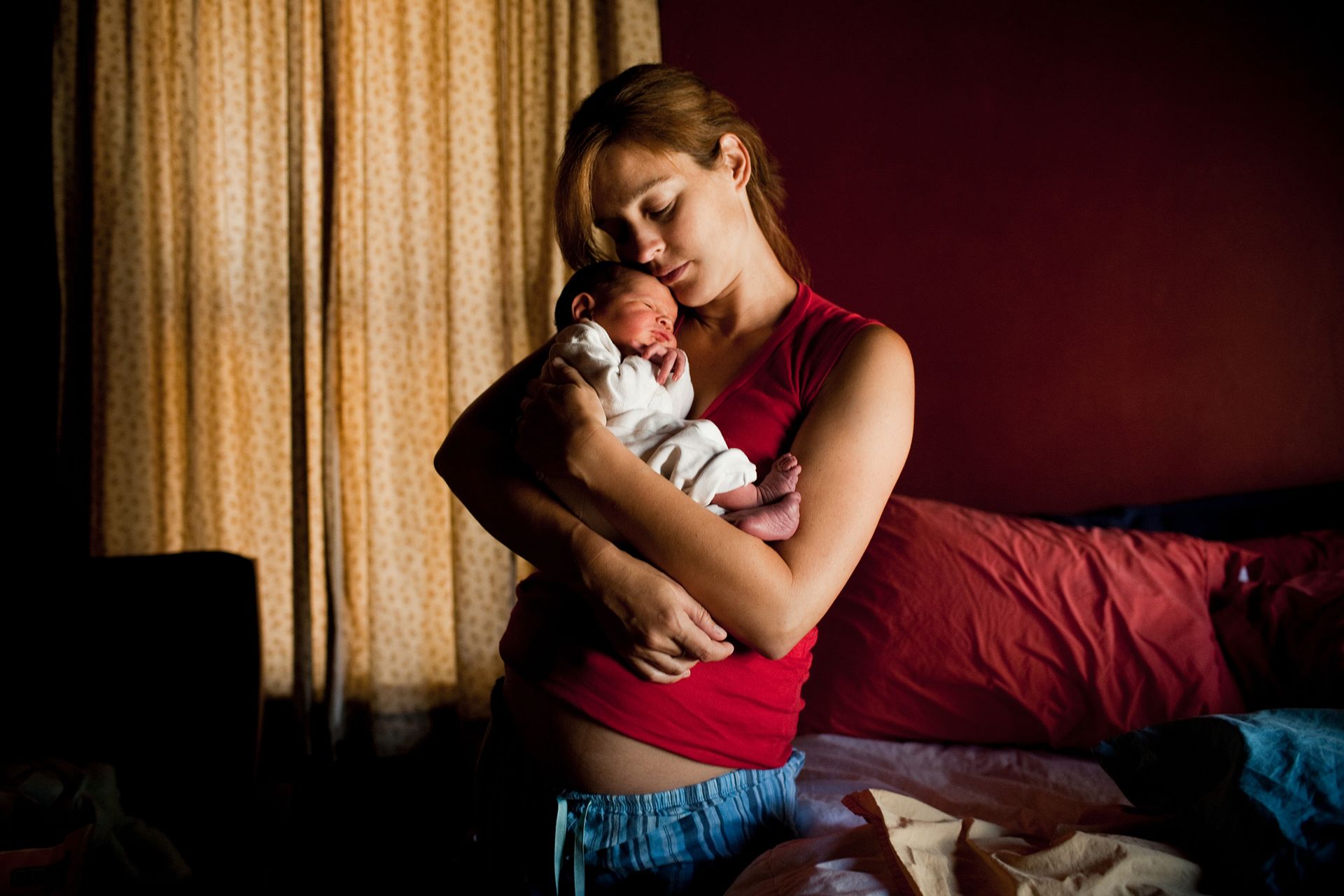
We often hear about the “baby blues” —those first few days after giving birth when your hormones are all over the place, sleep is a distant memory, and crying comes easily. For many women, those feelings fade. But for others, the sadness lingers. It grows into something heavier. That’s when it may be postpartum depression. Postpartum depression isn’t rare. In fact, research shows it affects mothers all over the world. It can look like: Feeling sad or hopeless. Crying more than usual. Struggling with sleep or appetite. Feeling anxious or overwhelmed. Withdrawing from friends and family. Even wondering if you’re a “good enough” mom. Sometimes the symptoms are quieter—like not enjoying things you used to, or feeling numb. Other times, they’re scarier, like thoughts of hurting yourself or not bonding with your baby. Why Support Matters Here’s the thing: postpartum depression is not a reflection of your worth as a mom. It’s a medical and emotional condition that deserves support—just like any other health issue. Therapy is one option, but many women find group counseling especially powerful. Why? Because in a group you realize: You’re not the only one. Other women feel the same way you do. It’s safe to be honest. You can say the things you’ve been afraid to admit. Connection heals. Hearing “me too” can be life-changing. What Happens in a Group? A postpartum support group isn’t about fixing you—it’s about empowering you. Together, moms learn how to: Ask for help without guilt. Lower anxiety and practice self-care. Rebuild confidence in their ability to parent. Bond with their babies in real, practical ways (like infant massage and skin-to-skin time). And maybe most importantly—you get to laugh, cry, and share with women who understand. The Bigger Picture Postpartum depression doesn’t discriminate. It can happen to women of any background, age, or circumstance. And it doesn’t mean you’re failing—it means you’re human, adjusting to one of the biggest life transitions there is. When moms come together, they find strength in each other. They realize that mistakes don’t define them, and that being “good enough” really is enough. Takeaway If you’re in the thick of postpartum depression, know this: you don’t have to go through it alone. Support, community, and compassion can make all the difference.
November 24, 2025
One of the hardest parts of growing up is learning how to be okay with being alone. For young people, that fear of aloneness often shows up in surprising ways—like anxiety about going to a party where no one might talk to them, or resistance to doing homework without help. Even surrounded by people, they can still feel the ache of being “apart.” Psychotherapist Nick Luxmoore (2014) wrote about this in his piece Learning to Be Together Alone, reminding us that aloneness is something we all face, and it deeply affects the quality of our relationships. How Early Experiences Shape Our View of Aloneness From the time we are babies, we start figuring out what it means to be separate from our caregivers. If we’re never left alone, we may grow up fearing solitude. If we’re left alone too often, we may become overly self-reliant and afraid to depend on anyone. Many of us fall somewhere in between—longing for connection, but also craving independence. As Luxmoore explains, young people often send parents mixed signals: “I want you close, but I also want you to back off.” It’s part of discovering how much separation they can tolerate. And truthfully, this isn’t just a teenage struggle—most adults feel it too. Aloneness in Therapy (and in Life) Counseling mirrors this balance. Just as parents learn when to step in and when to let go, therapists must judge when to support a client and when to allow space. Sometimes that space looks like silence in the therapy room—a silence that can feel unbearable if someone is terrified of being alone, or deeply healing if it allows them to feel “together” even without words. The idea of being “together alone” is powerful. It means you can sit with another person, feel connected, and still practice the skill of being your own person. At the end of a session—or at the end of a day—you may be physically alone, but you carry with you the memory of connection. What This Means for Us as Moms and Women In our culture, independence is celebrated. We’re told we should be able to handle things on our own, without needing anyone. But the truth is that every single one of us feels alone at times. What matters isn’t avoiding that feeling—it’s learning that nothing bad will happen when we sit with it. For moms especially, this can hit close to home. We often swing between wanting closeness (with our kids, our partners, our friends) and desperately needing space. The key isn’t to eliminate aloneness—it’s to practice being okay with both closeness and separation, sometimes even at the very same time. Being alone doesn’t mean being lonely. With the right balance of connection and space, we can learn to carry both—and teach our kids to do the same.
November 24, 2025
When you think of a therapist, you probably picture someone who has it all together—calm, centered, always ready with wise words. But here’s the truth: counselors are human too. And just like everyone else, we need support for our own mental health. Surprisingly, many counseling programs don’t actually require students training to be therapists to seek counseling themselves. Yet studies show that those who do go to therapy—whether by choice or requirement—report lower stress, less anxiety, and a stronger sense of support . Why This Matters (Even If You’re Not a Counselor) I work with many women who feel like they always need to be the strong one—holding it together for their kids, their partners, their jobs. But when we’re constantly giving, without a safe space to process our own struggles, it catches up with us. The research on counseling students actually tells us something universal: Talking helps. Even when people start therapy reluctantly, studies show they still benefit. Support lowers stress. Having a place where you can be honest without judgment reduces anxiety and improves well-being. Growth requires reflection. When counselors go to therapy, it not only helps them personally, but it also makes them more effective at helping others. The same is true for moms, leaders, or anyone juggling responsibilities. A Gentle Reminder for Moms So often, moms tell me: “I should be able to handle this on my own.” But if future therapists—the very people trained to support mental health—benefit from counseling, what makes us think we shouldn’t? Getting help doesn’t mean you’re weak. It means you’re human. And just like the counselors in those studies, you may find that the simple act of giving yourself space to process and heal allows you to show up with more patience, clarity, and energy for the people you love. Whether you’re training to be a counselor or navigating the daily chaos of motherhood, therapy can be a gift to yourself—and everyone around you.
November 24, 2025
The loss of a child is one of the most devastating experiences a parent can face. Whether it comes suddenly through an accident or illness, or after a long battle with disease, nothing prepares a parent—or a family—for this kind of heartbreak. It shatters the natural order of life. Research tells us that this grief is different from any other kind of loss. There is no neat “acceptance” or tidy resolution. Instead, parents learn to live with the loss, carrying both love and grief side by side. How Families Are Affected When a child dies, the entire family system changes. Parents may experience anxiety, depression, guilt, or even physical health challenges. Some couples grow closer, while others feel distance or strain. Siblings grieve deeply too. They not only lose a brother or sister but often feel they’ve lost their parents to grief. Extended family —grandparents, aunts, uncles—also feel the ripple effects. The grief doesn’t go away with time. Studies show parents think about their child’s death several times a day, even years later. Death After Illness vs. Sudden Loss Grief looks different depending on how the loss happens: Illness: Parents sometimes begin grieving even before death, a process known as anticipatory grief. This can help with adjustment later, though it never makes the pain easy. Supportive doctors, strong social networks, and spiritual meaning-making can help families cope. Sudden loss: Whether from an accident, suicide, or sudden illness, unexpected death can leave parents in shock, with little chance to prepare or say goodbye. These losses are often the most complicated, bringing layers of trauma and guilt. The Couple’s Relationship The death of a child touches the marriage in profound ways. Some parents instinctively turn to each other for comfort, but grief often looks different for each partner. When one parent cannot give comfort while grieving themselves, feelings of distance and disconnection can grow. And yet, when couples are able to lean on one another, the bond can deepen. Shared grief can become a thread of resilience that carries them forward. How Counselors Can Help Crisis intervention is often needed to help parents and families navigate early grief. Helpful support includes: Compassionate communication —offering presence without judgment. Safe expression of emotions —allowing guilt, anger, sadness, even relief, to be voiced. Space to search for meaning —whether through spirituality, storytelling, or finding purpose in honoring the child’s memory. Grief here doesn’t follow a “normal” sequence. There’s no timeline, no checklist. The most healing work comes not from “moving on,” but from finding ways to live with love and grief intertwined. The loss of a child changes everything. Healing doesn’t mean forgetting—it means finding ways to carry the love forward, while slowly allowing life to grow around the grief.
November 24, 2025
We often hear about the “baby blues” —those first few days after giving birth when your hormones are all over the place, sleep is a distant memory, and crying comes easily. For many women, those feelings fade. But for others, the sadness lingers. It grows into something heavier. That’s when it may be postpartum depression. Postpartum depression isn’t rare. In fact, research shows it affects mothers all over the world. It can look like: Feeling sad or hopeless. Crying more than usual. Struggling with sleep or appetite. Feeling anxious or overwhelmed. Withdrawing from friends and family. Even wondering if you’re a “good enough” mom. Sometimes the symptoms are quieter—like not enjoying things you used to, or feeling numb. Other times, they’re scarier, like thoughts of hurting yourself or not bonding with your baby. Why Support Matters Here’s the thing: postpartum depression is not a reflection of your worth as a mom. It’s a medical and emotional condition that deserves support—just like any other health issue. Therapy is one option, but many women find group counseling especially powerful. Why? Because in a group you realize: You’re not the only one. Other women feel the same way you do. It’s safe to be honest. You can say the things you’ve been afraid to admit. Connection heals. Hearing “me too” can be life-changing. What Happens in a Group? A postpartum support group isn’t about fixing you—it’s about empowering you. Together, moms learn how to: Ask for help without guilt. Lower anxiety and practice self-care. Rebuild confidence in their ability to parent. Bond with their babies in real, practical ways (like infant massage and skin-to-skin time). And maybe most importantly—you get to laugh, cry, and share with women who understand. The Bigger Picture Postpartum depression doesn’t discriminate. It can happen to women of any background, age, or circumstance. And it doesn’t mean you’re failing—it means you’re human, adjusting to one of the biggest life transitions there is. When moms come together, they find strength in each other. They realize that mistakes don’t define them, and that being “good enough” really is enough. Takeaway If you’re in the thick of postpartum depression, know this: you don’t have to go through it alone. Support, community, and compassion can make all the difference.